

The Allure of Chance and Uncertainty
Casino games inherently revolve around the concepts of chance and uncertainty, which are powerful psychological elements that draw players in. Humans are naturally inclined to take risks, and the thrill of winning against the odds entices many to engage in gaming, especially when they explore the best sports betting sites canada that offer competitive odds and exciting promotions. This unpredictability creates a stimulating environment where each spin of the wheel or flip of a card can lead to an unexpected outcome, feeding into a primal desire for excitement and adventure.
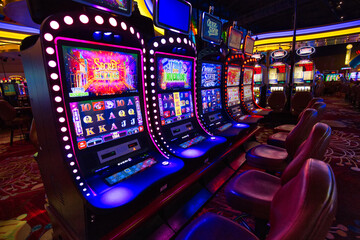
The anticipation of a potential win triggers a release of dopamine in the brain, creating feelings of pleasure and satisfaction. This neurochemical response is similar to the high experienced from other rewarding activities, such as eating or exercising. The more uncertain the outcome, the greater the potential for reward, which means games that involve higher stakes or more unpredictable results often attract more players. This psychological mechanism is one reason why slot machines, which often promise substantial rewards with minimal player input, are particularly popular.
Moreover, the social aspect of casinos amplifies this allure. When players engage with others, they experience a heightened sense of community and shared excitement. The atmosphere in a casino is typically charged with energy, making every loss or win feel more significant. This social reinforcement combines with the psychological thrill of unpredictability to enhance the overall gaming experience, making returning to the casino almost irresistible for many individuals.
The Role of Cognitive Biases
Cognitive biases play a significant role in how individuals perceive their chances of winning while gambling. One common bias is the “gambler’s fallacy,” where players believe that past outcomes can influence future results. For example, if a roulette wheel has landed on red several times in a row, some may feel that black is “due” to hit, leading them to place bets based on flawed reasoning rather than statistical reality. This misconception can lead individuals to bet more aggressively, often resulting in larger losses.
Addiction to the illusions of control and skill can also affect gambling behaviors. Many players convince themselves that they have strategies or skills that can influence outcomes, particularly in games like poker or blackjack. This belief can encourage longer play sessions and increased bets, as players feel empowered by their supposed expertise. Unfortunately, this often leads to a cycle of chasing losses, where individuals continue to gamble in hopes of recouping their money, unaware of the underlying probabilities at play.
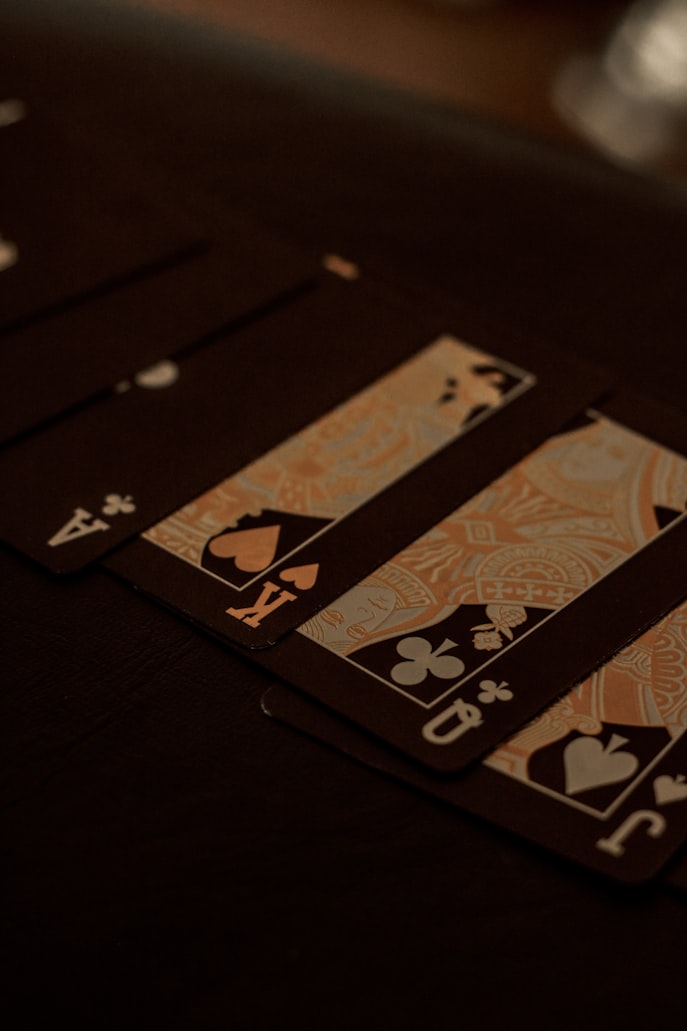
Furthermore, confirmation bias leads players to focus on their wins while disregarding their losses. This selective memory can distort an individual’s perception of their success rate, fostering a false sense of control and encouraging continued participation in gambling activities. The combination of these cognitive biases creates a powerful psychological environment that keeps players returning to casinos, often against their better judgment.
The Impact of Environment and Design
The design and layout of casinos are meticulously crafted to influence player behavior and maximize spending. Color choices, lighting, and even the sounds of the games are intentionally designed to create an engaging atmosphere. Bright colors and engaging sounds heighten excitement, while dim lighting and a lack of clocks can make it easy for players to lose track of time. This sensory manipulation encourages longer stays and more gambling.
Casinos often employ a strategy called “losses disguised as wins” to further enhance players’ experiences. For instance, when players receive small payouts or bonuses after losing a significant amount, they can feel as though they are still winning. This tactic exploits the emotional highs and lows associated with gambling, reinforcing the idea that they are still in the game. Such tactics can lead to an increased likelihood of returning to the gaming floor, as players feel more emotionally invested.
The architecture of casinos is also designed with player movement in mind. The layout often encourages players to move from one game to another, increasing exposure to various activities. By designing casinos in a way that keeps players engaged and moving through the space, operators can enhance the gambling experience while simultaneously increasing the likelihood of additional bets. This strategic environmental design highlights the importance of psychology in the gaming industry, showcasing how the right environment can significantly influence player behavior.
The Psychology of Winning and Losing
The thrill of winning can create a euphoric state that motivates players to continue gambling. Winning, even if it is a small amount, reinforces the behavior and encourages players to engage in more gambling activities. The psychological satisfaction of winning can lead to a cycle of behavior where players continue to seek that high, often ignoring the frequency of losses. Casinos understand this psychology and implement strategies to maintain the illusion of winning to keep players engaged.
The experience of losing can be psychologically damaging but is also a normal part of gambling. Many players develop coping mechanisms to deal with losses, often rationalizing their behavior or seeking to recover losses through increased betting. This behavior is often exacerbated by the emotional rollercoaster that gambling entails, where highs are followed by lows, creating a complex psychological landscape. Understanding these emotional responses is crucial for both players and operators to navigate the world of gambling safely.
Additionally, the concept of “near misses” plays a significant role in reinforcing gambling behavior. A near miss occurs when a player comes close to winning but ultimately does not. This experience can create a strong urge to continue playing as individuals often misinterpret near misses as indicators of impending success. The psychological impact of near misses can lead to repeated attempts to achieve that victory, further entrenching individuals in the gambling cycle, which can ultimately lead to negative financial and emotional consequences.
Further Exploration of Gaming Psychology
For those interested in delving deeper into the psychology behind casino games, there are numerous resources available that cover the intersection of behavioral economics, psychology, and gaming. Understanding these psychological principles can not only enhance the gaming experience but also equip players with the knowledge to approach gambling more responsibly. Articles, books, and studies focused on gaming psychology can provide insight into how to navigate the thrilling yet perilous world of gambling.
Additionally, experts in the field can offer advice on recognizing cognitive biases and developing strategies for more mindful gambling practices. This can include setting limits, recognizing emotional triggers, and understanding the odds involved in the games they play. By fostering a better understanding of the psychological aspects of gaming, individuals can cultivate a more balanced approach that enhances enjoyment while mitigating risks.
Ultimately, the intersection of psychology and casino gaming is a rich field of study that offers insights into human behavior, motivation, and decision-making. By exploring these topics, players can gain a greater appreciation for their gaming experiences and engage with casino activities in a more informed and responsible manner.